



What a general inspection misses in Lauderhill
The single-aspect layout concentrates everything on one wall and one corner. The interior partition furthest from the windows is the coolest, least ventilated surface in a flat like this, and it is usually where a wardrobe stands. Inspecting these properly means moving furniture and reaching the corners rather than walking the middle of the rooms, and it is why a visual walk-through misses so much of this stock.
None of that is covered by the three inspections normally booked on a Florida purchase. A general home inspection surveys condition visually. A four-point inspection tells an insurer about the roof, the electrics, the plumbing and the cooling. A wind mitigation report is about how the building is fixed together. Not one of the three includes a moisture survey, an air sample or any laboratory work whatsoever, and that is the correct and honest limit of each of them rather than a criticism.
The most productive question on a pre-purchase inspection in this county is how long the property has been empty and what the thermostat has been set to. A vacant listing gets treated as a bill to minimise: cooling set high or switched off, so the system rarely runs and therefore rarely dehumidifies, through the six months from May to October that carry 71% of this coast's rainfall at dew points in the low seventies.
So the survey on a vacant Lauderhill property is weighted differently. Closets, the backs of built-in storage, exterior wall bases behind where furniture stood, the air handler cabinet and the condensate termination take most of the time, and the humidity is read as found. We also record the thermostat setting on arrival, because on a closed-up house that single number explains a great deal of what follows. Everything is scheduled backwards from your inspection period, including two working days of laboratory time.
The commercial position in Lauderhill is the one published on every page of this site, because the rate card is not a Fort Lauderdale rate card. A flat price by property size, agreed before anyone drives out, with the accredited laboratory fee already inside it. It does not rise if the samples come back positive, nothing is added for the drive, and we take no payment of any kind from anyone who removes mold.
What Lauderhill itself changes
The buildings in Lauderhill
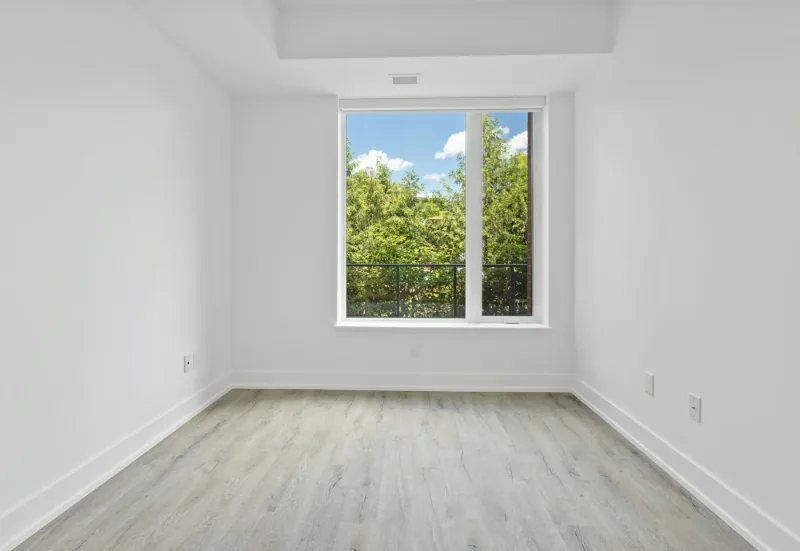
Lauderhill holds 30,733 units at a 1976 median, with 23% in buildings of fifty or more and 30% single-family detached. The characteristic building is the 1970s garden apartment or low-rise block: two or three storeys, external walkways, single-aspect flats and an envelope built to a specification that predates any serious attention to vapour. A flat with windows on one side only has no way to cross-ventilate, so whatever humidity the cooling equipment fails to remove has nowhere to go and no path out.
Where the water comes from
Central Broward geography with no coastal exposure, which removes the salt and facade question and leaves the ordinary wet season and a shallow water table. What tends to drive the calls here is the building rather than the weather: a 1970s block with flat or low-slope roof sections, external walkways over habitable space, and a drainage arrangement that has been patched rather than renewed at several points over fifty years.
The cooling systems here
Through-wall and packaged terminal units serving individual rooms, which is the defining equipment fact in this town. That arrangement cools the room it is in and does nothing for the rest of the flat, and it has no capacity to dehumidify without cooling, which is exactly what a shoulder-season day in this county requires. The wall sleeve these units sit in is also a permanent penetration through an exterior wall, and when its drainage slope is lost the water goes inward.