



The machine that is supposed to be the cure
Read enough local complaints and one thing stands out: it is almost never the roof. The condensate line stopped draining and nobody noticed for five months. The unit was replaced and the symptoms started the week after. The maintenance visit consisted of turning the thermostat back on. In a county where cooling runs most of the year, the equipment that handles all of the building moisture is the first place to look, not the last.
Three minutes, and why the bigger system dries the house less
The single most useful piece of building science for a South Florida homeowner, and it is counter-intuitive enough that it is worth stating flatly: an oversized air conditioner dehumidifies worse than a correctly sized one, despite having more capacity on its nameplate.
The reason is timing. Moisture removal does not reach its full rate until roughly three minutes into a cooling cycle, because the coil has to get properly cold and wet before it starts stripping much water out of the air passing over it. An oversized system drops the room temperature to the setpoint and shuts off before it gets there. The house is cool. The house is also damp.
The worked example comes from the Florida Solar Energy Center. Take a house that genuinely needs 2 tons of cooling and give it 4. The 2-ton machine removes more moisture in practice than the 4-ton one, even though the larger unit has twice the nameplate humidity capacity, purely because it runs long enough to do the job. FSEC put it plainly: the more an air conditioner is oversized, the poorer its humidity removal, and the effect is worst at higher thermostat settings.
This is why so many of these calls describe a problem that began after a new system was fitted. Equipment is routinely specified by rule of thumb or by matching whatever was there before, and a house that has since had its windows and roof upgraded needs less cooling than it used to. We measure the tonnage against the floor area and the envelope and say whether the number is plausible, and then we have no opinion about who should replace it.
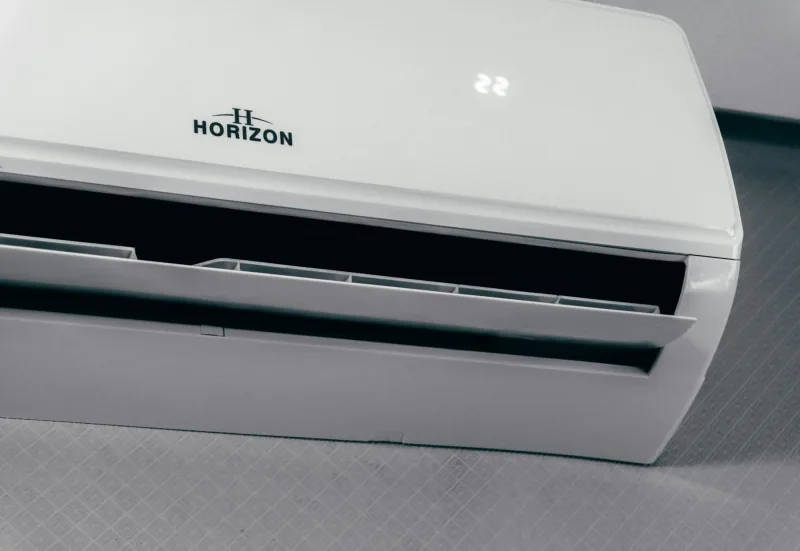
What the job covers in Fort Lauderdale
What we cover
The whole moisture path through the cooling system: evaporator coil, drain pan, condensate line and trap, plenum, duct insulation, filter seal and the return air path, examined while the system runs.
What you get
Where water is standing or has stood, what is growing in it, whether the duct is distributing it, and whether the system is sized and running such that it dehumidifies at all.
Decision point
Whether you need a cleaning, a repair, or a different system. Those are three very different invoices and we have no stake in which one you buy.